





How Connected Devices Are Transforming Everyday Life
Connected devices are reshaping the way we live, work, and interact with our surroundings. These smart gadgets, linked through the internet, bring convenience, efficiency, and new possibilities to daily routines. From smart homes to wearable technology, connected devices are becoming an integral part of modern life.
The Rise of Connected Devices in Daily Life
Connected devices refer to everyday objects embedded with sensors, software, and network connectivity that allow them to collect and exchange data. This technology enables devices to communicate with each other and with users, creating a seamless digital ecosystem.
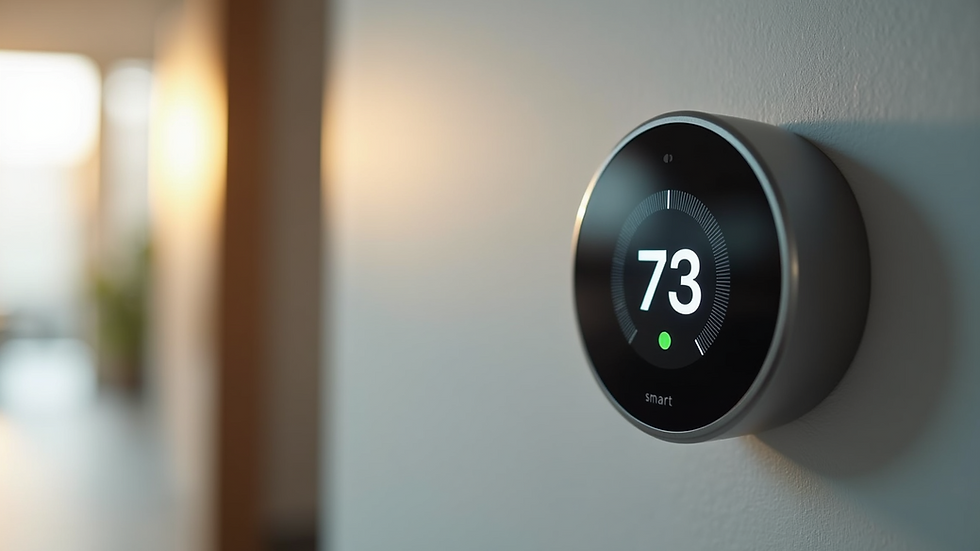
For example, smart thermostats learn your schedule and adjust the temperature automatically, saving energy and money. Smart refrigerators can track groceries and suggest recipes based on what’s inside. Even connected cars provide real-time traffic updates and maintenance alerts.
The convenience offered by these devices is undeniable. They reduce manual tasks, improve safety, and enhance comfort. As more devices become connected, the potential for innovation grows exponentially.
How Connected Devices Improve Efficiency and Convenience
Connected devices streamline many aspects of everyday life by automating routine tasks and providing valuable insights. Here are some practical examples:
Home Automation: Smart lighting systems adjust brightness based on natural light or occupancy, reducing electricity use. Voice assistants control multiple devices with simple commands.
Health Monitoring: Wearable fitness trackers monitor heart rate, sleep patterns, and activity levels, helping users maintain healthier lifestyles.
Energy Management: Smart meters provide real-time energy consumption data, enabling households to optimize usage and reduce bills.
Security: Connected cameras and sensors alert homeowners to unusual activity, enhancing safety and peace of mind.
These devices not only save time but also help users make informed decisions. For instance, a smart irrigation system can water plants only when needed, conserving water and promoting healthier gardens.

The Impact of Connected Devices on Work and Productivity
Connected devices are transforming workplaces by enabling remote work, improving collaboration, and increasing productivity. Smart office equipment and IoT-enabled tools help businesses operate more efficiently.
Remote Monitoring: Managers can track equipment performance and employee productivity from anywhere, reducing downtime.
Collaboration Tools: Connected devices like smart whiteboards and video conferencing systems facilitate seamless communication across teams.
Inventory Management: IoT sensors monitor stock levels in real-time, preventing shortages and overstocking.
Data-Driven Decisions: Connected devices collect valuable data that businesses can analyze to optimize operations and customer experiences.
By integrating connected devices, companies can create flexible work environments that adapt to changing needs and improve overall efficiency.

Understanding the Internet of Things and Its Role
The concept behind connected devices is often referred to as the internet of things definition. It describes a network of physical objects embedded with technology to communicate and interact over the internet.
This network allows devices to share data and work together intelligently. For example, a smart home system can link security cameras, lighting, and heating to respond automatically to different situations. The internet of things (IoT) is the backbone of connected devices, enabling them to function cohesively and deliver enhanced user experiences.
Understanding this concept helps users appreciate the potential and challenges of connected technology, including privacy concerns and the need for robust cybersecurity measures.
Future Trends in Connected Devices and Everyday Life
The future of connected devices promises even greater integration and innovation. Emerging trends include:
Artificial Intelligence Integration: Devices will become smarter, learning user preferences and anticipating needs.
5G Connectivity: Faster and more reliable internet will support more devices and real-time data processing.
Healthcare Advancements: Remote patient monitoring and telemedicine will become more widespread, improving access to care.
Smart Cities: Connected infrastructure will optimize traffic, energy use, and public safety on a large scale.
To prepare for these changes, individuals and businesses should stay informed about new technologies and consider adopting connected solutions that align with their goals.
Embracing Connected Devices for a Smarter Lifestyle
Connected devices are no longer futuristic concepts - they are part of everyday life. Embracing these technologies can lead to a smarter, more efficient, and enjoyable lifestyle. Start by identifying areas where connected devices can add value, such as home automation or health monitoring.
When choosing devices, consider compatibility, security features, and ease of use. Regularly update software to protect against vulnerabilities. By taking these steps, users can maximize the benefits of connected technology while minimizing risks.
The transformation brought by connected devices is ongoing, and staying engaged with this evolution will help individuals and communities thrive in a connected world.


Comments